Emergency Roof Repair in McAllen and the Rio Grande Valley
Active leak, storm damage, or a roof opened up by wind? We stabilise it fast, document everything for your claim, and get you a permanent repair. Call any time — the inspection is free.
Free Inspections
Photos and a written assessment, no charge
Licensed & Insured
Fully licensed, bonded, and insured
Financing Available
Flexible payment plans on approved credit
Workmanship Warranty
Our labor is guaranteed in writing
What actually counts as a roofing emergency
Not every roof problem needs a call at midnight. But some genuinely cannot wait for a scheduled appointment, and in the Rio Grande Valley they usually arrive with a storm off the Gulf. The difference matters: an emergency is anything where water is actively entering the structure, or where the roof has been opened up and the next rain will do far more damage than the first.
Valley storms are fast and they hit hard. A line of thunderstorms through McAllen or Edinburg can strip shingles, drive rain sideways under flashing, and put hail through a roof in under twenty minutes. What you do in the hours afterward has a real effect on both the repair bill and whether your insurance claim goes smoothly.
- Water actively dripping into the house during rain
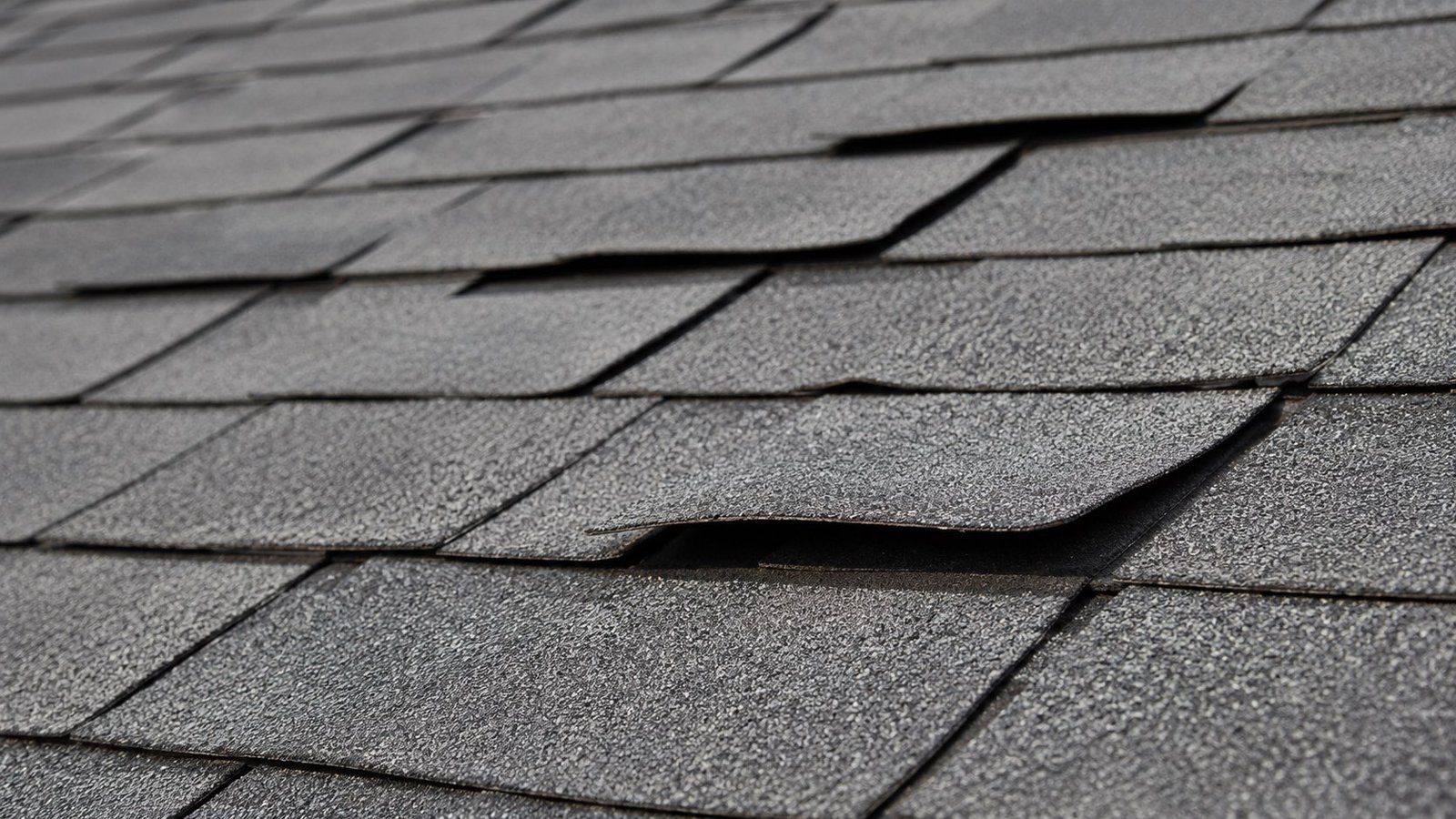
- Shingles stripped off leaving decking exposed
- A tree limb or debris that has punctured the roof
- Visible sagging in the roofline or ceiling
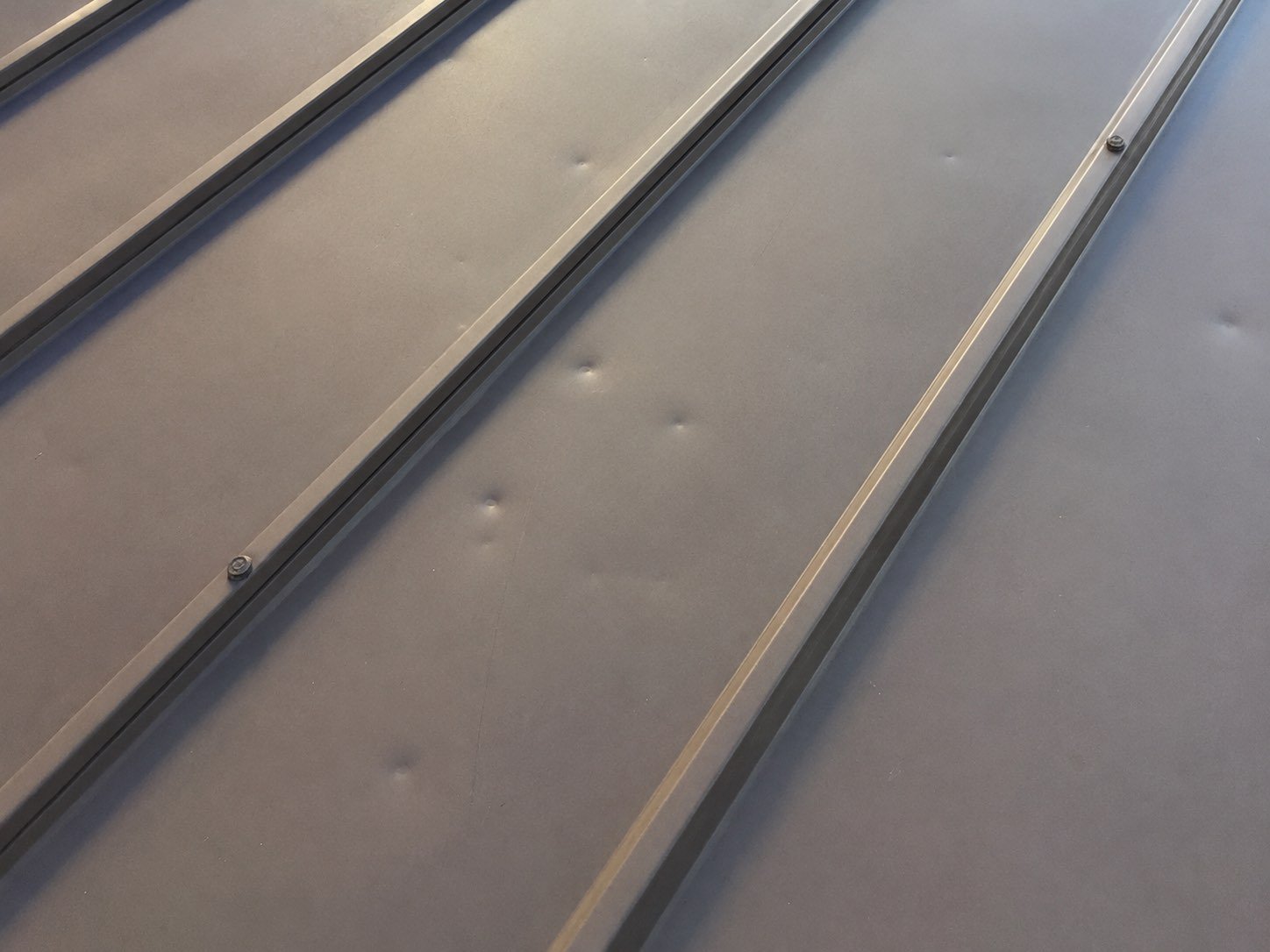
- Hail damage right before more storms are forecast
- Flashing or vent torn loose and flapping in wind
If water is coming in right now
Emergency roofing services across the Valley
The first job is always to stop the water and make the structure safe. The permanent repair follows once the roof is stable and the weather allows.
Emergency Roof Tarping
Heavy-duty tarping over exposed or damaged areas to stop water entry until a permanent repair can be completed safely.
Active Leak Containment
We locate the entry point and stop the water getting into your ceilings, insulation, and framing.
Storm & Wind Damage Repair
Blown-off shingles, torn flashing, and lifted ridge caps repaired so the roof is watertight again.
Damage Documentation
Dated photographs and a written assessment taken before anything is disturbed — which is what your adjuster will want to see.
Debris & Impact Damage
Fallen limbs and wind-driven debris removed, with the puncture properly repaired rather than patched over.
Insurance Claim Support
We meet your adjuster on site where it helps and provide the documentation the claim depends on.
What to do while you wait for us
Stay Off the Roof
A storm-damaged roof is unstable and a wet one is slick. Nothing up there is worth a fall. Assess from the ground only.
Contain the Water
Buckets under active drips, and move furniture and electronics clear. If a ceiling is bulging with trapped water, keep everyone out of that room.
Photograph Everything
Take your own dated photos of the damage inside and out before anything is cleaned up or repaired. This protects your claim.
Call Your Insurer
Open the claim early. Then call us — we will document the roof properly and work alongside the process.
Be careful who knocks on your door after a Valley storm
Major storms in the Rio Grande Valley bring out-of-town crews into the area within days. Some are legitimate. Many are not. The pattern is familiar: a knock at the door, urgency about signing today, a demand for a large deposit up front, and a promise to handle everything with your insurance company.
The damage is real and it does need attention. But a roof is one of the most expensive things on your house, and there is no emergency so urgent that it justifies signing a contract you have not read with a company you cannot find next year. Ask for a local address, proof of insurance, and a written scope. Any honest roofer will hand you all three without hesitating.
- Never pay a large cash deposit up front
- Ask for a physical local address you can actually visit
- Get the full scope in writing before signing anything
- Verify licensing and insurance independently
- Be wary of anyone pressuring you to sign the same day
Questions people ask when a roof fails suddenly
How fast can you get to my house?
Call (956) 555-0100 and tell us the water is active — emergencies go to the front of the schedule. Immediately after a major storm the whole Valley calls at once, so we triage by severity: structural damage and active interior water come first. We will give you a realistic time rather than a comforting one.
Will you tarp my roof at night or in the rain?
Where it can be done safely, yes. Tarping a roof in high wind or lightning puts our crew at genuine risk, so there are conditions where the honest answer is that we have to wait for the weather to break. We will tell you straight if that is the case and help you limit the interior damage in the meantime.
Does insurance pay for emergency tarping?
Usually yes. Most policies cover reasonable emergency mitigation to prevent further damage, and many actually require you to take reasonable steps to limit it. Keep every receipt and make sure the work is documented with dated photos — we provide that as standard.
Should I call my insurance company or a roofer first?
If water is actively entering, call a roofer first to stop the damage — then open the claim. If it can wait a few hours, opening the claim first is fine. Either way, do not let anyone repair anything before it has been photographed.
Is the emergency inspection really free?
Yes. Coming out, getting on the roof, and telling you what is wrong costs you nothing, storm or no storm. Emergency stabilisation work like tarping is quoted before we do it, so you always know the number first.
Not sure what your roof needs?
We’ll climb up, take photos, and give you a straight answer — repair, replace, or leave it alone. No cost, no obligation, no hard sell.