Soffit & Fascia Repair in McAllen and the Rio Grande Valley
Rotted soffit and sagging fascia are how Valley humidity, pests, and water get into a roof from the edge inward. We replace what has failed and vent it properly — starting with a free inspection.
Free Inspections
Photos and a written assessment, no charge
Licensed & Insured
Fully licensed, bonded, and insured
Financing Available
Flexible payment plans on approved credit
Workmanship Warranty
Our labor is guaranteed in writing
What soffit and fascia actually do for your home
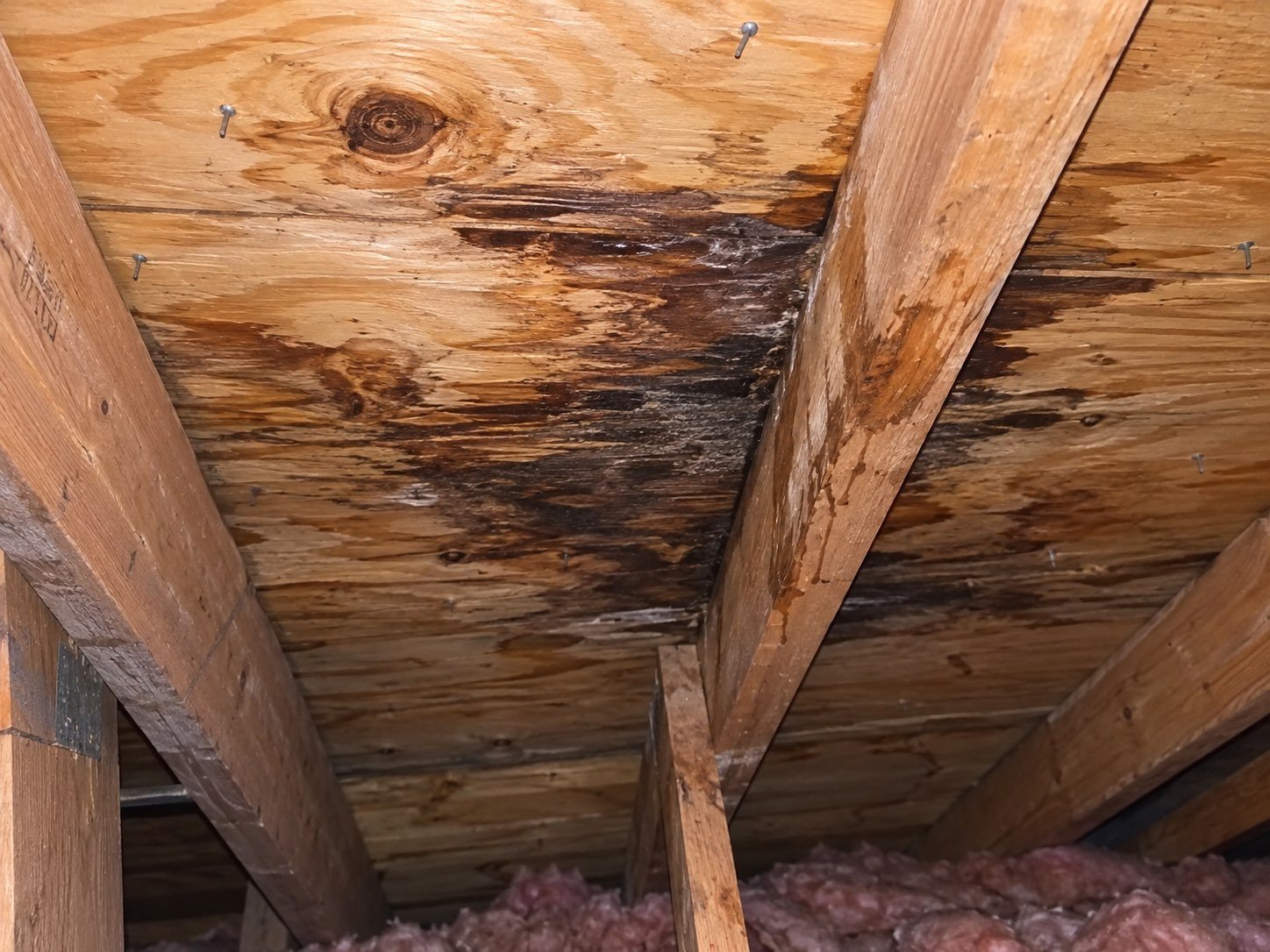
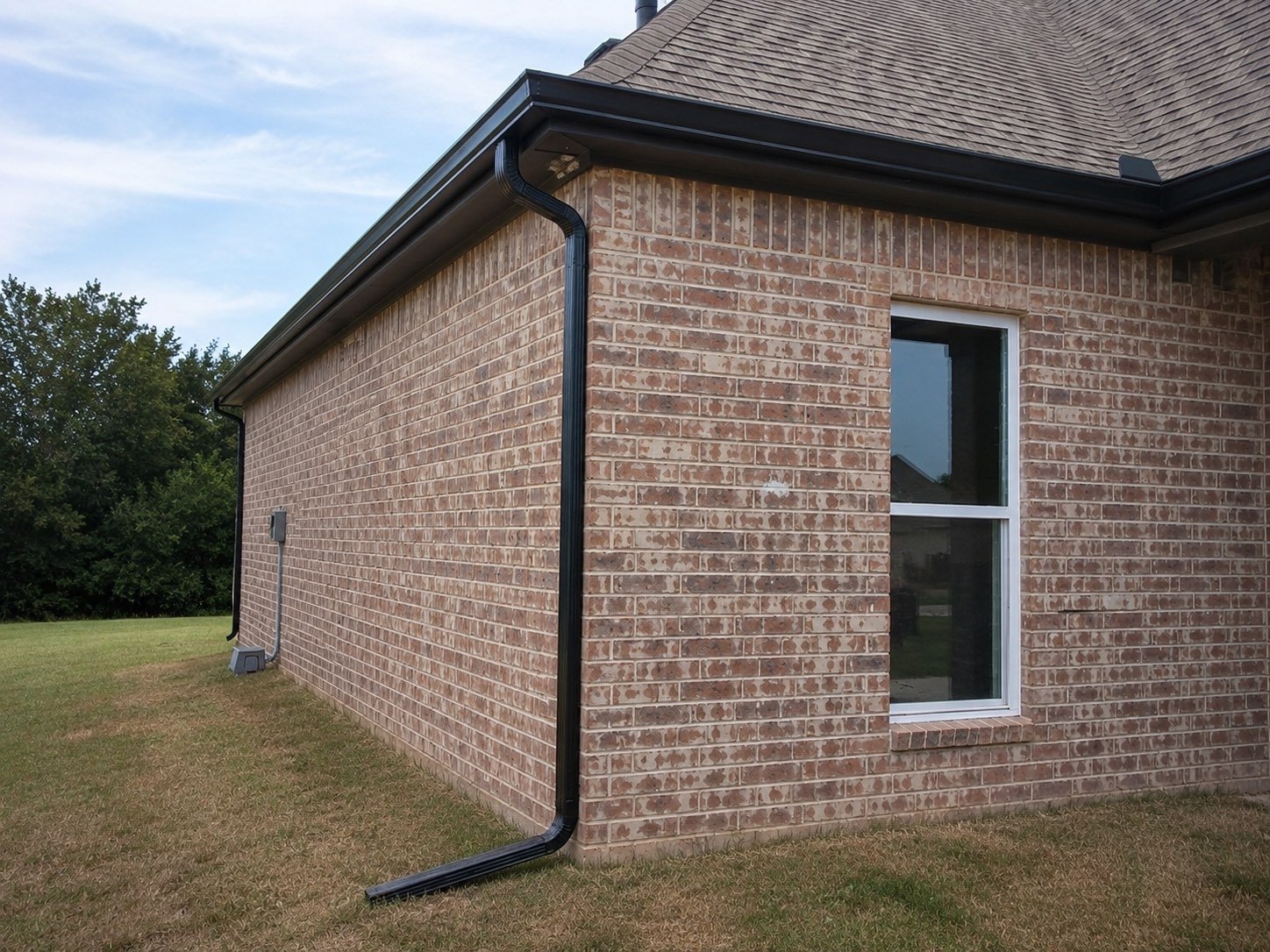
They are the two parts of a roof most homeowners can name only after something goes wrong. The fascia is the vertical board running along the roof edge — it caps the ends of the rafters and it is what your gutters are fastened to. The soffit is the panelled underside of the eave, tucked between the fascia and the wall.
Together they close off the roof structure and, critically, they ventilate it. Most soffits are vented so cool air can be drawn into the attic at the eaves and pushed out through ridge or roof vents above. In a Rio Grande Valley summer that airflow is what stops your attic turning into an oven and cooking the shingles from underneath.
- Peeling paint or dark staining along the roof edge
- Soft, spongy, or visibly rotted wood
- Sagging gutters pulling away from the fascia board
- Gaps or holes where birds, wasps, or rodents get in
- Daylight visible through the soffit from inside the attic
- Blocked or painted-over soffit vents
Sagging gutters are usually a fascia problem
Soffit and fascia services across the RGV
We replace what has actually failed rather than covering it, and we make sure the eave still breathes when we are finished.
Rotted Fascia Replacement
Failed fascia board cut out and replaced with properly primed and sealed material that will hold a gutter fastener again.
Soffit Panel Repair
Damaged or missing soffit panels replaced and refitted so the eave is closed, sealed, and still properly vented.
Soffit Ventilation
Blocked, painted-over, or undersized soffit vents opened up or added so your attic gets the intake air it needs.
Pest & Bird Exclusion
Gaps sealed properly at the roof edge to keep birds, wasps, and rodents out of your attic for good.
Gutter Reattachment
Once the fascia is sound, gutters get rehung and re-pitched so water actually runs to the downspout.
Finish & Paint Match
New material primed, painted, and matched to your existing trim so the repair does not announce itself.
How a soffit and fascia repair goes
Inspect the Full Edge
We check the entire eave line, not just the obvious bad section — rot usually runs further than it looks from the ground.
Find the Water Source
Rotted fascia is a symptom. We trace what is wetting it, whether that is a failing gutter, a short drip edge, or a roof leak above.
Replace & Vent
Failed material comes out, sound material goes in, and the soffit ventilation is restored or improved while we are there.
Seal, Finish, Rehang
Everything sealed and painted, gutters rehung and re-pitched, and the ground cleaned up before we leave.
Soffit ventilation and the Rio Grande Valley summer
Attic ventilation works as a system. Cool air is drawn in low, at the soffit vents under the eaves, and hot air escapes high, through ridge or roof vents. Block the intake and the whole system stalls — the exhaust vents have nothing to pull, and the heat simply sits there.
In a Valley summer that trapped heat does real damage. It bakes shingles from the underside and shortens the life of a roof you paid good money for. It drives attic temperatures high enough to push your cooling costs up noticeably. And when that hot, humid air meets any cooler surface it condenses, which is how a ventilation problem quietly turns into a moisture and mould problem in a climate like ours.
- Longer shingle life from a cooler attic
- Lower cooling costs through Valley summers
- Less condensation, mould, and moisture damage
- Pests kept out of the attic properly
Questions Valley homeowners ask about roof edges
How do I know if my fascia needs replacing or just painting?
Press it. Sound fascia is firm; failed fascia is soft, spongy, or crumbles at the edge. Paint over rot and you have hidden the problem for a season, not solved it — the wood keeps deteriorating underneath and the gutter fasteners keep losing their grip. We will show you which sections are genuinely gone and which are still sound.
Can you replace soffit and fascia without touching the roof?
Usually yes. It is work at the roof edge and in most cases it does not disturb the roofing above. If the rot was caused by a roof leak or a missing drip edge, though, that has to be addressed too — otherwise the new wood starts rotting the same way.
What material do you use?
It depends on the house and the exposure. Properly primed and sealed wood matches traditional Valley trim well. Fibre cement and aluminium resist rot and insects better in humid conditions and need less upkeep, though they cost more up front. We will explain the trade-off for your specific eave rather than defaulting to whatever is cheapest.
There are birds nesting in my soffit. Can you fix that?
Yes. We seal the entry points and replace whatever they got in through. One important note — if there is an active nest, wait until the birds have fledged before sealing. Closing a nest in traps them, and some species are legally protected. We will advise on timing.
Do you repair soffit and fascia as part of a roof replacement?
We do, and it is the sensible time to handle it. The eave is already accessible, gutters often come off anyway, and correcting soffit ventilation while the roof is open protects the shingles you are about to pay for.
Not sure what your roof needs?
We’ll climb up, take photos, and give you a straight answer — repair, replace, or leave it alone. No cost, no obligation, no hard sell.