Roof repair in McAllen and across the Rio Grande Valley
A leak isn’t a death sentence for your roof. We find the actual cause, fix it properly, and warranty the work — without trying to talk you into a replacement you don’t need.
Free Inspections
Photos and a written assessment, no charge
Licensed & Insured
Fully licensed, bonded, and insured
Financing Available
Flexible payment plans on approved credit
Workmanship Warranty
Our labor is guaranteed in writing
What a roof problem actually looks like
Most roof failures announce themselves long before water comes through the ceiling. Here’s what to watch for on a Valley home.
- A water stain, ring, or bubble on a ceiling or upper wall
- Shingles that are cracked, curling at the edges, or missing entirely
- Granules collecting in your gutters or at the bottom of downspouts
- Daylight visible through the attic roof deck
- Rusted, lifted, or separated flashing around chimneys, vents, and skylights
- Cracked rubber pipe boots — the most common leak source in the RGV
- Sagging areas or a roofline that no longer looks straight
- Water pooling on a flat section more than 48 hours after rain
Seeing any of these? Don’t wait for the next storm.
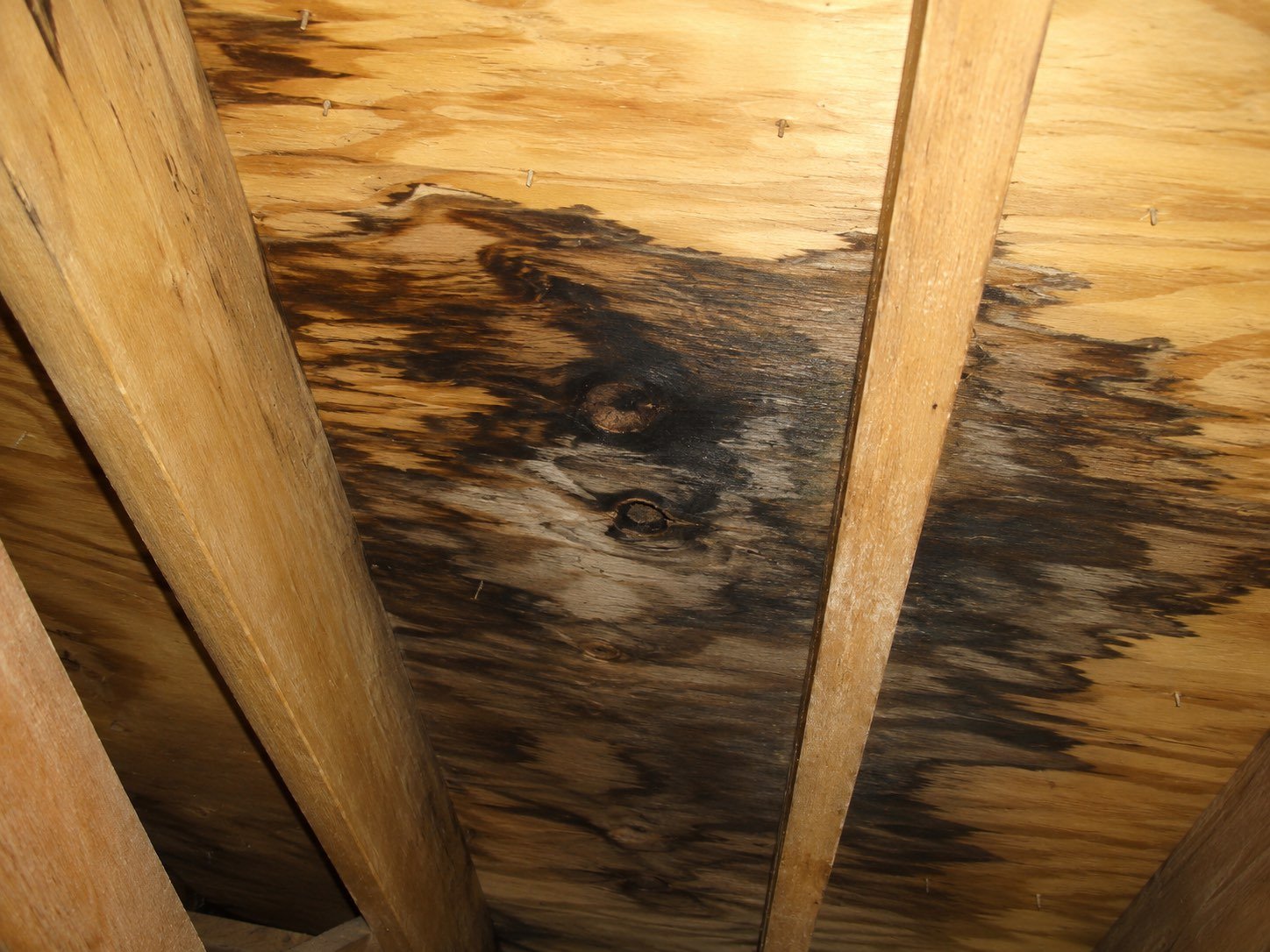
Valley humidity turns a small leak into rotted decking faster than most homeowners expect. A repair caught early is often a few hundred dollars. The same leak six months later can mean structural work.
The problems we fix most often
Nine times out of ten, a Valley roof leak traces back to one of these. All of them are repairs, not replacements.
Active Leaks
We trace the leak to its real entry point, not just the spot where water shows up on your ceiling. Water travels along rafters before it drips.
Flashing Failure
Chimneys, skylights, wall junctions, and roof-to-wall transitions. Bad flashing causes more leaks in the Valley than bad shingles do.
Cracked Pipe Boots
The rubber collars around plumbing vents dry-rot in Valley sun in as little as eight years. Cheap to replace, expensive to ignore.
Wind & Hail Damage
Lifted, creased, or blown-off shingles and hail bruising. Often insurable — we’ll tell you if it’s worth filing a claim.
Metal Roof Repairs
Loose fasteners, failed sealant at penetrations, oil-canning, and panel damage on standing seam and exposed-fastener systems.
Ponding on Flat Roofs
Standing water on low-slope and flat sections. We correct drainage and re-seal seams before the membrane gives out.
Ridge & Valley Work
Failed ridge caps and valley metal. Valleys carry the most water on any roof, so they’re the first place we look.
Ventilation Problems
Poor attic ventilation cooks shingles from underneath and drives up cooling costs. We fix the cause, not just the symptom.
Repair or replace? Here’s how we decide
We use the same criteria on every roof, and we’ll show you exactly which column yours falls into.
A repair makes sense when
- The roof is under about 15 years old
- Damage is limited to one or two areas
- The decking underneath is solid and dry
- Shingles still have most of their granules
- The leak traces to flashing, a boot, or a valley
- Repair cost is well under a third of replacement
- You’ve had no repeat leaks in the same spot
Replacement is the right call when
- The roof is past 20 years and failing broadly
- Damage spans multiple slopes or the whole roof
- Decking is soft, rotted, or sagging
- Granule loss is severe and widespread
- You’re on your third or fourth repair in a year
- Repair cost approaches half of replacement
- Your insurance has approved a full replacement
If you’re on the line, we’ll say so
Plenty of roofs sit right between these two columns. When yours does, we lay out both options with real numbers and let you decide — instead of quietly steering you toward the bigger invoice.
How a repair actually goes
Diagnose
We walk the roof and check the attic to find the true source. A stain in the living room rarely sits under the actual hole.
Document
Photos of every problem area, plus a written scope so you know exactly what you’re paying for before we start.
Repair
Matched materials, correct installation details, and proper sealing. We fix the cause, not just cover the symptom.
Verify
We water-test the repair where practical, clean up completely, sweep for nails, and hand you your workmanship warranty.
What roof repair costs in the Valley
We’re not going to print a fake number here. Any roofer quoting you a price before seeing your roof is guessing, and that guess always leaves room to come up later.
What we can tell you is what drives the cost: the number of problem areas, how hard the roof is to access, the pitch, whether decking needs replacing, and what materials your roof uses. A single cracked pipe boot is a small job. Rotted decking under a failed valley on a steep two-story is not.
What you’ll get from us is a fixed written price after the inspection, itemized so you can see what each part costs. No hourly surprises, no “while we were up there” additions without your approval first.
Financing is available on larger repairs
On approved credit, with terms that fit the size of the job. Ask when we come out for the inspection.
What homeowners ask about repairs
For an active leak we aim for same-day or next-day. If water is coming in right now, call us — we can often tarp the area as a temporary measure the same day and schedule the permanent repair right after.
Not when it’s done correctly with matching materials and proper installation methods. Bad repairs absolutely can void coverage — mismatched shingles, wrong fasteners, or sealant slathered where flashing belongs. We install to manufacturer spec specifically so your coverage stays intact.
Usually, yes. We identify the manufacturer and color and source a match. Be aware that an older roof has weathered, so a brand-new shingle will look slightly different at first — that difference fades within a season or two of Valley sun.
Yes, in writing. If a repair we performed fails, we come back and make it right at no charge. The specific term depends on the type of repair and we’ll spell it out on your written estimate before you commit to anything.
It depends on your deductible. If the repair costs less than your deductible, filing gains you nothing and puts a claim on your record. If storm damage is extensive enough to exceed it, filing usually makes sense.
Sometimes. An 18-year-old roof in good overall shape with one failed boot is worth repairing — that could buy you several more years. The same roof with widespread granule loss and soft decking is throwing money at a problem that’s coming back.
Straight answers, solid work
The same thing keeps coming up in our reviews: we showed up, we told the truth, and we did what we said we’d do.
Not sure what your roof needs?
We’ll climb up, take photos, and give you a straight answer — repair, replace, or leave it alone. No cost, no obligation, no hard sell.